4
3
Introduction
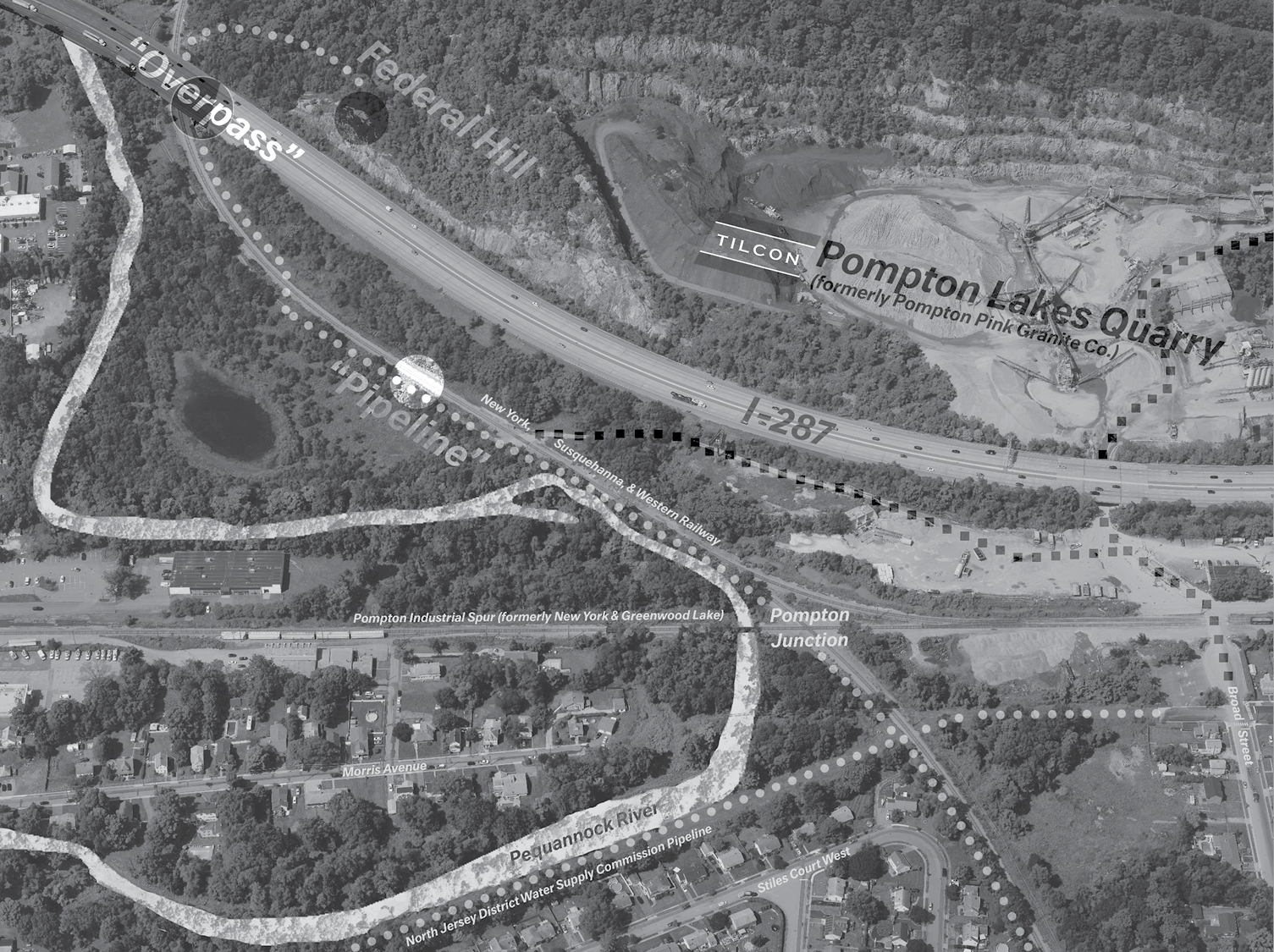
A defining hometown memory for me went as follows: Every so often, some kids from my high school would start up a group chat and invite every student, from freshmen to seniors. Its sole purpose was to advertise Pipeline, a woods party they would throw along the train tracks at the intersection of the titular water conduit. Protection from passing freight trains was provided by tall stacks of railroad ties, wedging hundreds of underage drinkers between piles of creosote-soaked wood and the marshy former backwater of Slater’s Mill. On rainy nights the crowd would move to the shelter of the interstate overpass a few hundred yards away, deeper into the woods and away from the advance of the always-vigilant police. The sight of any one incoming flashlight would send murmurs throughout the group that the cops were coming, but some authoritative person with a police scanner app would assure their anxious friends that everything was fine. However, a group of flashlights heading briskly down the tracks almost certainly meant we’d been caught, and an escape plan was needed. One of the organizers of the illicit occasion held down a sagging chain-link fence just low enough for people to climb over, with another facilitator on the other side to help untangle all the clothes that snagged on the metal. Across the threshold, we were now on the property of Tilcon’s Pompton Pink Granite Quarry, which mined the town’s namesake stone once prized for its coarse grain. We all began to trek up the steep slope, past the wildlife cameras set up for nighttime surveillance and the pictures of our friends that quarry security would post with the words “KEEP OUT” scrawled across them. After a treacherous bushwack with almost nothing visible to either side, we arrived at a clearing that revealed the precarity of our position, with the lights of the highway below illuminating
the drop into its deep earthen cut. On the other side, the cliffs of the quarry loomed more ominously over the even deeper gash that had been eaten into Federal Hill, with the glow of the billboards in the valley failing to reach around into the vast open pit. And in between sat a munitions shelter blasted into the rock by the German-American Bund, a WWII-era camp of Nazi sympathizers, an old carving memorializing the burial of two soldiers killed on site for starting the Revolutionary War’s Pompton Mutiny, a USGS survey marker, and approximately 30 remaining teenage revelers.
The overlapping histories embodied in the built landscape, and the almost surreal communal experience they provide, did not occur to me until much later. These landmarks were just a part of home; impressive and memorable, yes, but commonplace enough that I’d climbed the same hill with my mother. Simultaneously, the sense of distinct locality provided by the interstate and the hill that I knew so well and that of displacement provided by the strangely foreign ruins coalesced to create a particular perception of space and place. I did not know at the time that sobering up while hiding from the police with some friends-of-friends would be anything other than Friday night, or that the in-between space we inhabited out of necessity would be something I sought to replicate. I never thought twice about my route home, down the tracks, across the trestle, along the Pipeline, and over the rivers, appropriating a patchwork of infrastructures to define another world at the margins of Pompton Lakes, New Jersey.
Opposite: Drawing by the author,
oblique aerial imagery from Bing Maps
4